Rapid Industrial FastenersRapid Industrial Fasteners
 March 3, 2026
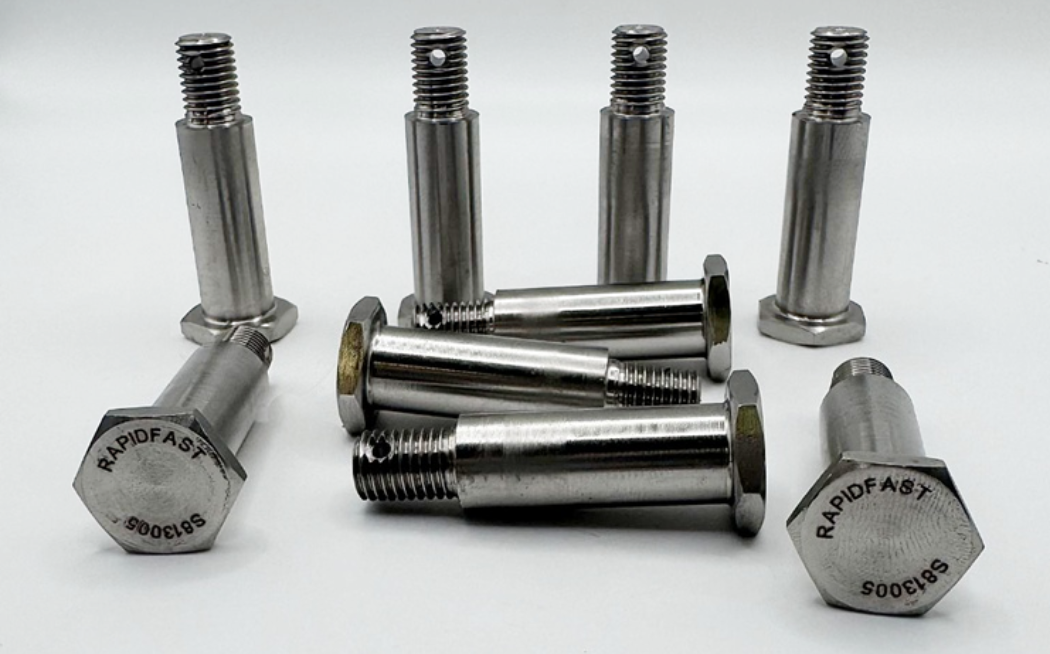
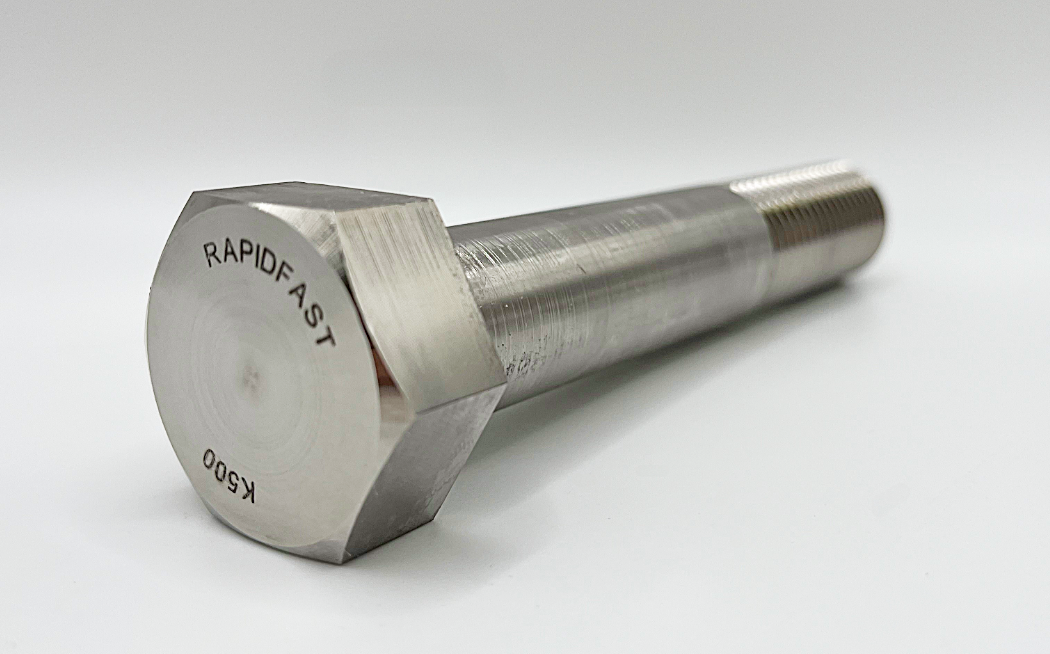
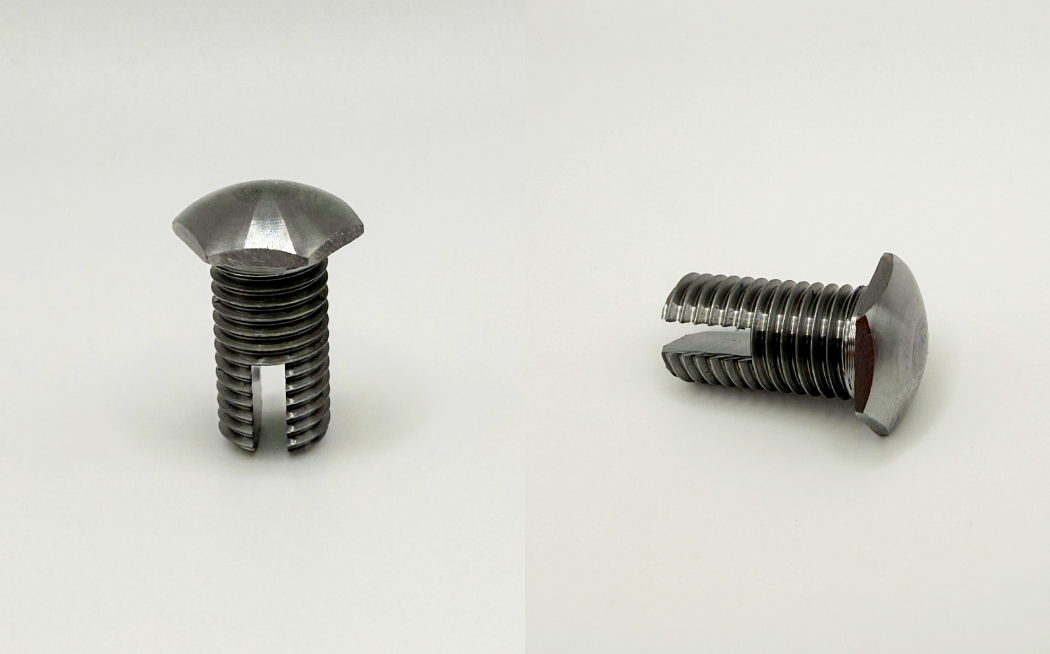
5/6 UNF Screw 12.7mm
Few fastener specifications carry the weight of history, technical rigour and cross-border standardisation quite like the UNF (Unified National Fine thread).
Whether you are specifying components for a critical structural assembly or sourcing reliable fixings for a high-vibration environment, our 5/6 UNF Screw at 12.7mm represents a benchmark in fastener engineering that has stood the test of time.
Post-War Origins of a Global Standard
To appreciate the true value of UNF threading, it is essential to understand where it came from and why it was created. The UNF thread standard was formally established in 1949, emerging directly from the industrial and political complexities of the post-Second World War period. During the war, manufacturing collaboration between the United Kingdom, the United States and Canada, had exposed a significant and costly problem. The three nations were producing threaded fasteners that were fundamentally incompatible with one another. British Standard Whitworth threads, which had dominated British engineering since the Victorian era, did not align with the American National thread forms being used across the Atlantic. This incompatibility caused very real logistical headaches during wartime production and maintenance operations. Where machinery, vehicles and equipment, frequently needed servicing using components sourced across national boundaries.
In response to this challenge, engineers and standards bodies from all three nations came together to develop a unified solution. The result was the Unified Thread Standard, which encompassed both the Unified National Coarse thread, known as UNC, and the Unified National Fine thread, known as UNF. This agreement in 1949 resolved decades of manufacturing friction and laid the foundation for a shared, interchangeable inch-based fastener system that could be relied upon across borders, industries, and applications.
It was one of the earliest and most successful examples of international industrial standardisation, and its legacy is still felt across global supply chains today.
What Defines UNF Threading and Why It Matters
The defining characteristic of UNF threading is its thread pitch. Compared to UNC fasteners of the same diameter, UNF threads feature a finer pitch, meaning more threads per inch are packed into the same length of shank. This seemingly small engineering detail has profound practical consequences for the performance of a fastener in service.
The increased thread density of UNF fasteners creates a significantly larger contact area between the male and female threads when assembled. This translates directly into enhanced grip strength, greater resistance to loosening under dynamic loads, and superior performance in applications where vibration is a persistent concern. In environments such as engine bays, structural joints subject to cyclic loading, aerospace assemblies, and precision instrumentation, these properties are not merely desirable but essential. A fastener that loosens under vibration can compromise the integrity of an entire assembly, with consequences ranging from costly maintenance downtime to catastrophic structural failure.
Specification and Application
The specific designation of a 5/6 UNF Screw at 12.7mm refers to a fastener that combines the dimensional precision of the UNF thread form with a shank length of 12.7mm, equating to precisely half an inch in imperial measurement. This length positions the fastener comfortably within the range favoured for medium-depth thread engagement in relatively compact assemblies. Making it highly versatile across a broad spectrum of industrial and engineering applications.
UNF in the Modern Fastener Market
Despite being a standard that dates back to the late 1940s, UNF threading remains firmly embedded in the contemporary fastener market. Demand is driven not only by the maintenance and servicing requirements of legacy equipment built to UNF specifications, but also by the continued preference among engineers for fine-threaded fasteners in new designs where vibration resistance and precision torque control are priorities.
Our commitment to quality, technical innovation, and customer support has established us as a trusted partner for fastening solutions. With advanced manufacturing technology, comprehensive quality systems, and deep materials expertise, we deliver fasteners that perform when failure is not an option.
For further information, please contact us today.
See us in action 🎬
https://www.youtube.com/@RapidIndustrialFasteners
https://www.tiktok.com/@rapidindustrialfasteners
Website by FolcraTech
All rights reserved. Privacy policy