Rapid Industrial FastenersRapid Industrial Fasteners
 November 3, 2026
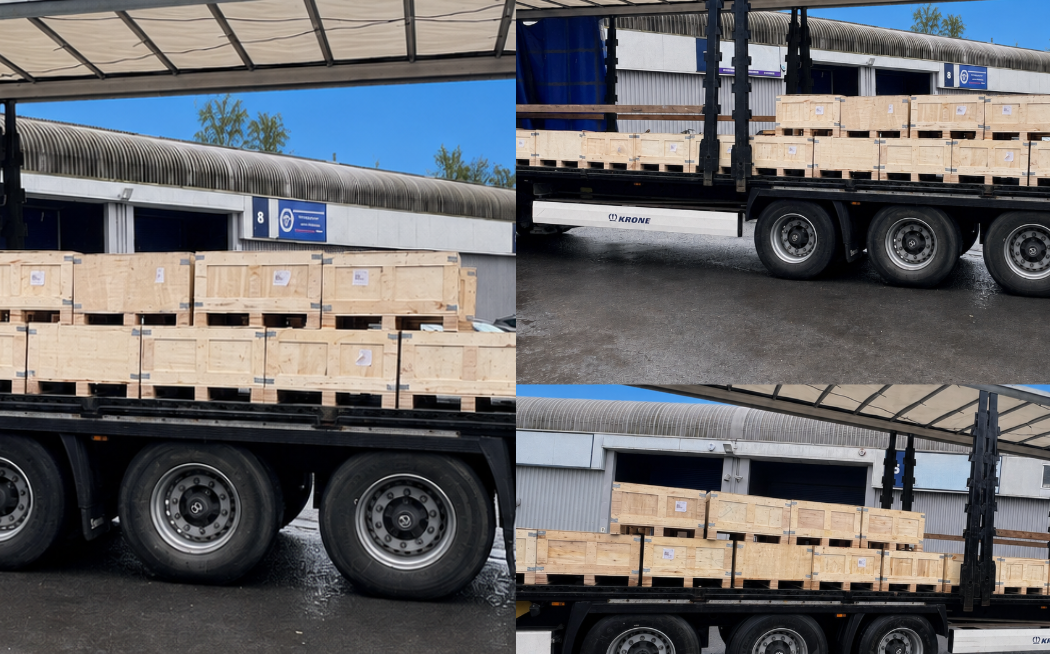
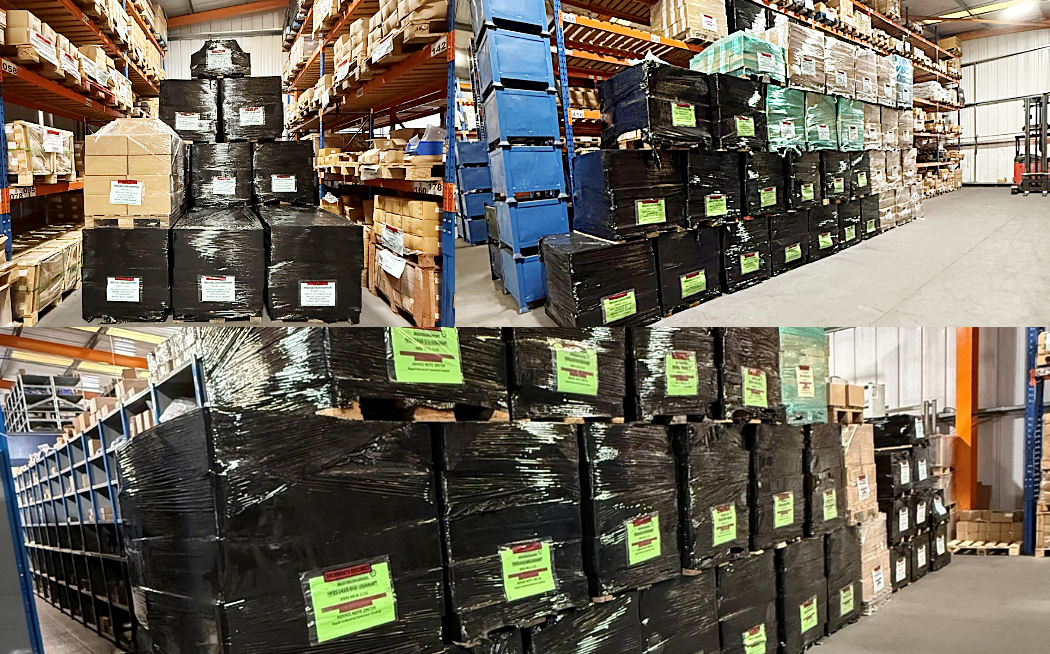
Over 105 pallets of assembled clamps were despatched from our distribution site, heading to customers across the UK and overseas. It is a number that looks impressive on paper, but it only tells part of the story. Behind every outgoing pallet is a chain of planning, communication and teamwork that rarely gets seen, and this week’s volume is a good reminder of how much coordination sits behind the phrase “next-day delivery” in industrial fastenings.
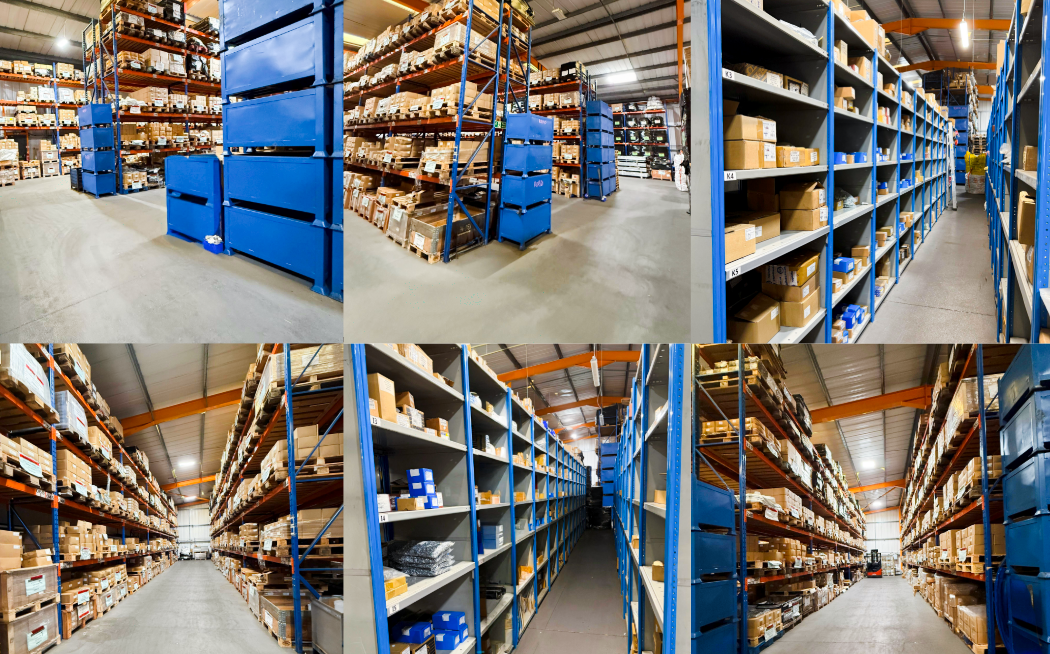
A pallet of assembled clamps does not simply appear at the loading bay. Before a single lorry is booked, orders have to be confirmed, stock checked against demand, and components brought together on the assembly line. Each pallet is then labelled, documented and staged for the right carrier and the right destination.
Moving more than 105 pallets in one push means all of this happens at pace and in parallel.
Our assembly teams, warehouse operatives, goods-out staff, transport coordinators and customer service colleagues all rely on clear, constant communication. A change to a delivery date, a revised quantity or a customer’s specific labelling requirement must travel quickly and accurately from the office to the shop floor. When that works well, customers simply receive what they ordered, when they expected it. The Rapid way.
Clamps are among the most widely used fixing components in UK industries, and yet they are often taken for granted. Depending on the design, they are used to secure hoses, pipes, cables, tubing and ducting, to hold assemblies in position, and to maintain a seal under pressure and vibration.
Typical applications include:
Automotive and commercial vehicle manufacture, where hose clamps secure coolant, fuel, air intake and ancillary lines.
Agricultural and construction plants, where equipment operates in dirty, wet and high-vibration environments.
Water, irrigation and drainage systems, where reliable clamping prevents leaks and maintains system integrity.
Marine and offshore applications, where corrosion resistance is critical.
Food, beverage and process industries, where hygiene and material compatibility are key considerations.
Rail, energy and general engineering, where dependable fixings support both safety and maintenance schedules.
One of the most important decisions when specifying a clamp is the material. The right choice depends on the environment, the media being contained, the operating temperature and the expected service life.
Zinc plated mild steel is a cost-effective option for general-purpose use in dry or low-corrosion environments. It performs well in many indoor and light-duty applications but offers limited resistance in wet, salty or chemically aggressive conditions.
A2 stainless steel (commonly referred to as 304) offers good general corrosion resistance and is widely used across water, agricultural, food-related and general engineering applications.
A4 stainless steel (316) contains molybdenum, which improves resistance to chlorides and many chemicals. This makes it a popular choice for marine, coastal, offshore and chemical processing environments.
Within the hose clamp market, products are often described by “W” grades, which indicate the materials used across the band, housing and screw. Higher “W” numbers generally denote a greater proportion of stainless steel in the assembly and, with it, greater corrosion resistance. Checking the grade against the application is always good practice, particularly where a clamp will be exposed to moisture, salt or aggressive media.
The UK fasteners and fixings sector has always been defined by precision, consistency and service. Customers want dependable products, but they also want dependable delivery. A clamp that arrives late can hold up a production line, delay a repair or leave a project standing still. Equally, a clamp that arrives on time but in the wrong material or size can cause even greater disruption.
This is why more buyers are looking for UK-based supply partners with strong stock holding, assembly capability and clear lines of communication. Shorter supply chains, faster response times and the ability to speak directly to the team handling an order are all increasingly valued. Especially in a market where lead times, material costs and logistics have faced sustained pressure in recent years.
Assembly to order is also becoming more significant. Rather than receiving separate components that must be put together on site, many customers now prefer to receive ready-assembled clamps, packed and labelled to their requirements. It saves time on their own lines, reduces handling and helps standardise quality from the outset.
It would be easy to look at 105 pallets and see only a statistic. We see the people behind it: the assembly team working through the build, the warehouse crew handling and wrapping each pallet with care, the transport coordinators arranging collections, and the customer service team keeping our customers informed throughout. It is a genuine team effort, and one we are proud of.
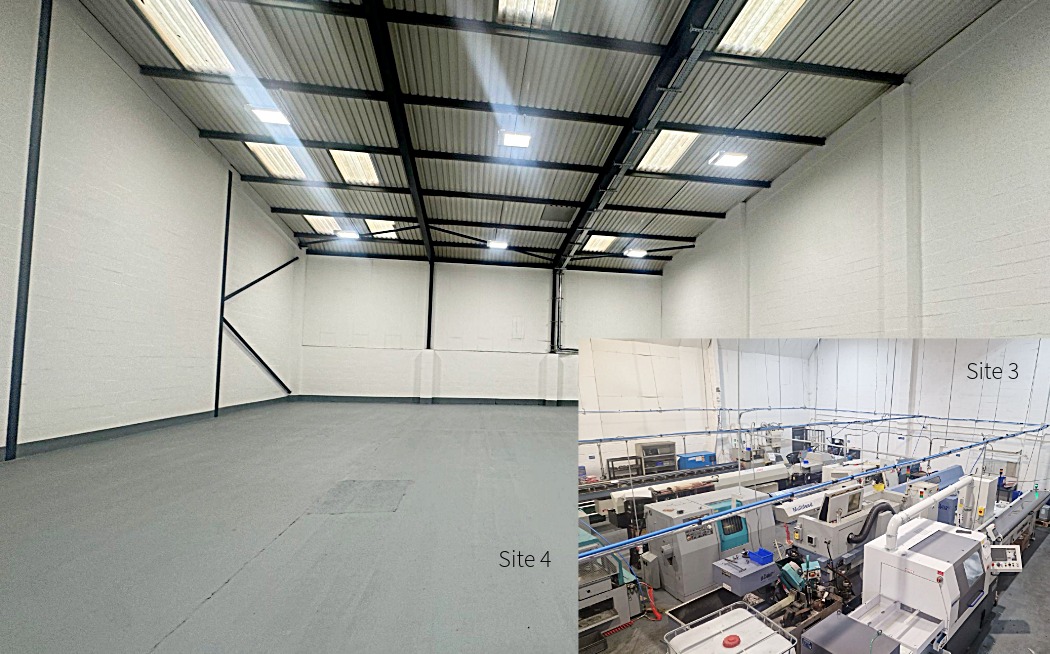
Whether a customer is based in the UK or overseas, our aim is the same: to supply the right product, to the right specification, at the right time. Our distribution site, together with our wider manufacturing capability, allows us to support everything from standard stock lines through to bespoke and made-to-order fastening solutions.
If you are looking for assembled clamps, hose clamps, stainless steel fixings or custom fastener assemblies from a UK manufacturer and distributor, we would be pleased to hear from you. Our team can advise on material selection, specification and delivery to suit your requirements.
To discuss your next order or to request a quote, contact the Rapid Industrial Fasteners team today.

© Rapid Industrial Fasteners Limited.
All rights reserved. All content on this website, including text, images, graphics, logos, product descriptions, downloadable documents, and any other materials, is the intellectual property of Rapid Industrial Fasteners Limited unless otherwise stated.
No part of this website may be reproduced, distributed, modified, transmitted, or stored in any form without prior written permission from Rapid Industrial Fasteners Limited.
You may view, download, and print content for personal or internal business use only. Any commercial use, republication, or redistribution of content is strictly prohibited without express consent.
Unauthorised use of this website’s content may violate copyright, trademark, and other applicable laws.
Website by FolcraTech
© Rapid Industrial Fasteners Limited. All rights reserved. Privacy policy