Rapid Industrial FastenersRapid Industrial Fasteners
 September 29, 2026
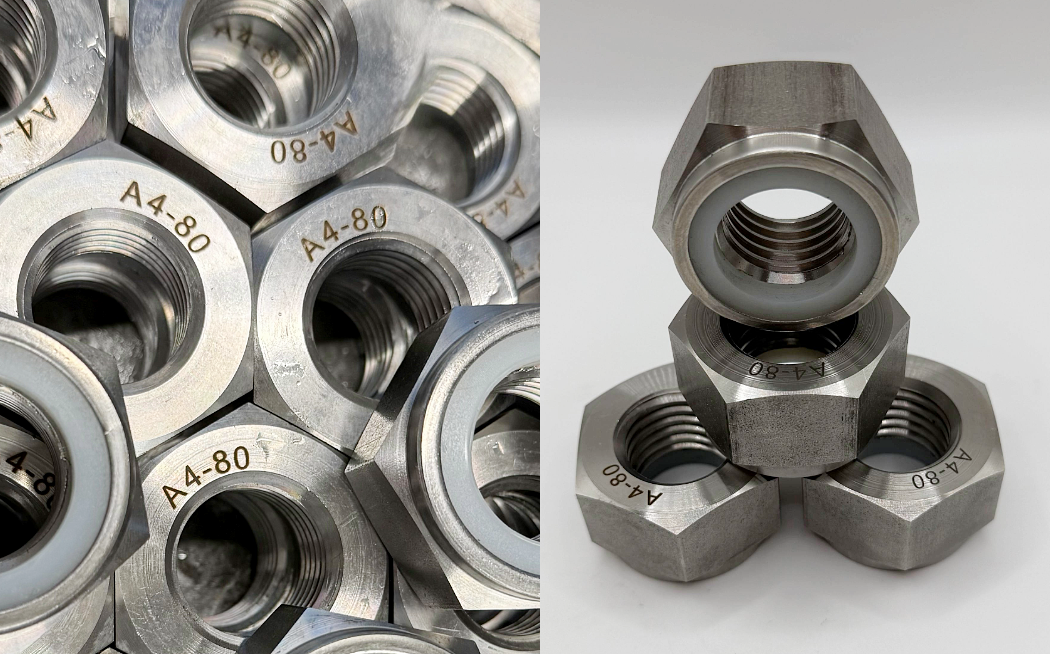
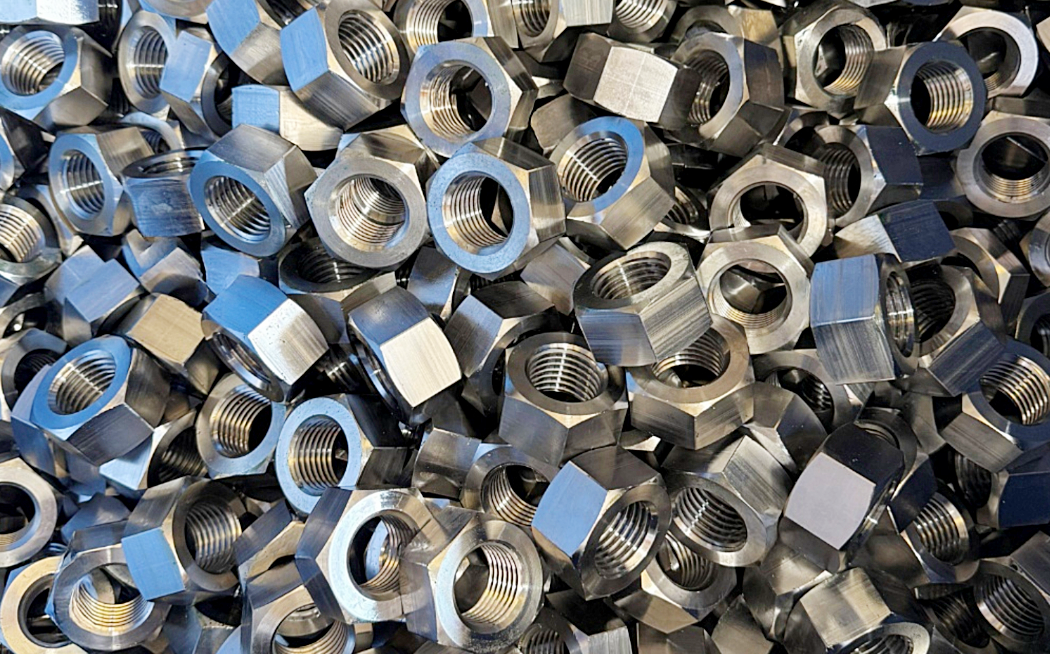
This final production stage delivers a durable zinc coating designed for long‑term protection in harsh environments. These heavy-duty nuts are manufactured from high-tensile Grade 8 steel, offering a reliable performance in demanding industrial applications.
These are substantial fasteners by any measure, most commonly found holding together wind turbine foundations, bridge structures, pipeline flanges, and heavy industrial plant equipment. Specifying at this scale demands consistency and a coating that won’t let the base material down.
That’s where galvanising comes in. Unlike electroplated zinc, which applies a thin decorative layer, hot‑dip galvanising immerses the fastener in molten zinc at around 450°C. The result is a metallurgically bonded coating that’s considerably thicker than its electroplated counterpart, and correspondingly more resilient.
For large-diameter, high-tensile nuts like these, that translates into corrosion protection measured in decades rather than a year. Notably in coastal or heavy industrial atmospheres where salt spray, moisture, and airborne pollutants would make short work of a lesser finish.
Choosing a fastener that won’t require early unexpected replacement or costly remedial maintenance halfway through a structure’s design life isn’t just good engineering practice, it’s sound economics. A well-galvanised high-tensile nut, correctly matched to its stud, can quietly outlast the structure’s next several maintenance cycles altogether.
Galvanising itself is far from a modern invention. The process was patented in 1837 by the French engineer Stanislas Sorel, at a moment when Europe’s industrial landscape was being transformed by wrought iron. Bridges, factories, machinery, and the emerging railway network all depended on the material’s strength. However, that same iron was vulnerable to relentless corrosion, a problem that was as costly as it was dangerous.
Sorel’s process of immersing iron in molten zinc gave engineers, for the first time, a reliable and repeatable means of protecting these structures at scale. It’s a solution so effective that, nearly two centuries later, the fundamental process remains largely unchanged, a rare example of nineteenth-century industrial chemistry that modern manufacturing still relies on daily.
It’s a piece of engineering history that resonates particularly strongly here in the UK, where our own industrial heritage was built on exactly the kind of large-scale ironwork Sorel’s invention was designed to protect. From Victorian railway viaducts to today’s offshore wind infrastructure, the underlying challenge, protecting structural steel from a famously unforgiving climate, has barely changed at all.
Whether you’re specifying fasteners for offshore installations, structural steelwork, or heavy industrial plant equipment, our technical team is on hand to discuss grade selection and coating options.
For more information on lead times, or technical specifications, get in touch with the Rapid Industrial Fasteners team.

© Rapid Industrial Fasteners Limited.
All rights reserved. All content on this website, including text, images, graphics, logos, product descriptions, downloadable documents, and any other materials, is the intellectual property of Rapid Industrial Fasteners Limited unless otherwise stated.
No part of this website may be reproduced, distributed, modified, transmitted, or stored in any form without prior written permission from Rapid Industrial Fasteners Limited.
You may view, download, and print content for personal or internal business use only. Any commercial use, republication, or redistribution of content is strictly prohibited without express consent.
Unauthorised use of this website’s content may violate copyright, trademark, and other applicable laws.
Website by FolcraTech
© Rapid Industrial Fasteners Limited. All rights reserved. Privacy policy